Use a trusted starting point
Begin with official Trezor resources and make sure your device setup instructions match your model. Avoid search ads and unexpected setup links.
A thoughtful starting point for managing your digital assets with confidence. Learn how Trezor Login fits into a safer, more deliberate self-custody routine.
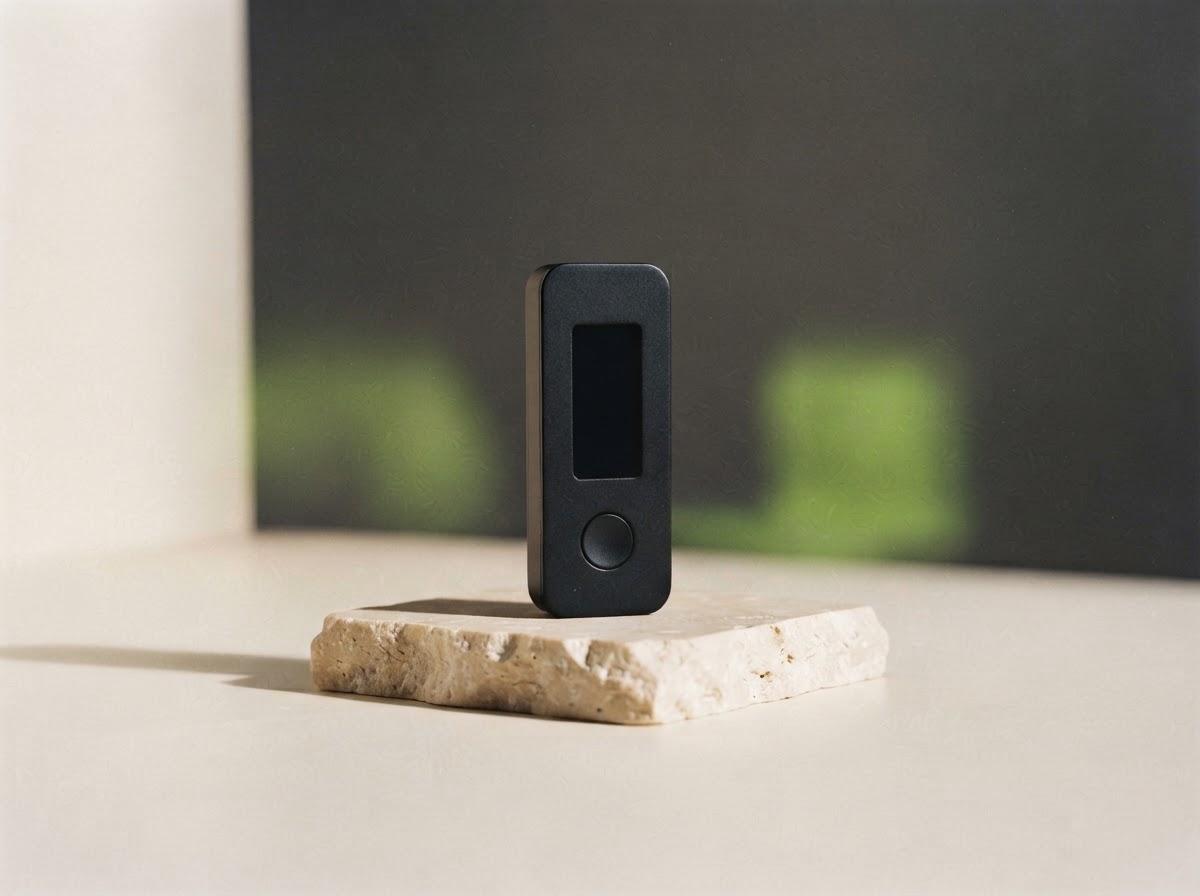
Your hardware wallet is the beginning—not the whole story. Take a moment to understand what you’re approving, where recovery information belongs, and how your device communicates with your assets.
Begin with official Trezor resources and make sure your device setup instructions match your model. Avoid search ads and unexpected setup links.
Your recovery seed belongs offline and to you alone. Never enter it into a website, share it in a message, or photograph it for convenience.
Read transaction details on the device screen itself. Pause if the destination, amount, or network does not match what you intended.
GOOD SECURITY ISN’T A SINGLE CLICK.
IT’S A PRACTICE YOU CAN REPEAT.
“Trezor Login” is often used as shorthand for getting started with a hardware wallet. In practice, there is no need to share your recovery words with a login page. Your device helps you manage access while keeping sensitive keys under your control.
Begin by checking that your device and companion software come from official Trezor sources. Follow the setup prompts on your computer, then pay close attention to what appears on the device screen. This small habit helps you spot details that a compromised screen could misrepresent.
For everyday management, use the portfolio view to review supported accounts and activity, but treat balances as information—not a substitute for verification. Before confirming a transfer, compare the destination, amount, and network on your hardware wallet. If anything looks unfamiliar, stop and investigate.
Protect your recovery seed offline, privately, and in a place you can access if your device is lost. Trezor support will never need you to type those words into a website or send them in a message. Privacy features and device updates are useful parts of responsible ownership, but no tool removes the need for careful judgment.
Self-custody is an ongoing practice: slow down, verify independently, keep software current through trusted channels, and never let urgency make the decision for you. A secure routine is built from small, repeatable choices.
Learn the fundamentals. Verify the details. Keep the keys yours.
Back to the basics ↑